By Chimnonso Onyekwelu and Meleni Aldridge
Can human connection be so fundamental that losing it changes our biology?
Yes. Absolutely.Â
Loneliness doesn’t just make people sad. Our brains interpret loneliness and social isolation as a survival threat.
And that level of threat can trigger:
- chronic activation of the amygdala and hypothalamus-pituitary-adrenal (HPA) axis (the stress response)
- elevated cortisol and adrenaline (stress hormones)
- persistent low-grade inflammation
- altered immune cell gene expression (the Conserved Transcriptional Response to Adversity, or CTRA)
- impaired antiviral immunity
- increased cardiovascular risk
- accelerated cognitive decline
- changes to the gut microbiome
- disrupted sleep, repair and metabolic regulation.
In other words, loneliness is not simply an emotion—it is a whole-body biological state. Left unaddressed and unresolved the body is set on a downward spiral into ill health. Loneliness is not simply a feeling; it is interpreted by the body as a chronic biological stressor.
An unrecognised risk
When we think about the biggest threats to health, smoking, poor diet, lack of exercise and environmental pollution usually come to mind. Yet, as we see, loneliness exerts a pathological power all of its own. Finally a growing body of conventional evidence is underpinning this very important, but far less recognised, risk factor, although the research often centers on the impacts of ‘social isolation’.
According to the World Health Organization (WHO), around one in six people worldwide experiences loneliness, with social isolation linked to more than 871,000 deaths every year. Some researchers have even suggested that the health impact of chronic isolation may be comparable to smoking 15 cigarettes a day. Far from being merely an emotional experience, prolonged social disconnection has been associated with depression, cardiovascular disease, impaired immune function, cognitive decline and premature mortality.
The power of connection
At the heart of the issue lies something often overlooked in conversations about wellbeing: social health. Just as physical health relates to the body and mental health to the mind, social health reflects our ability to build meaningful relationships, maintain supportive connections and experience a genuine sense of belonging.
As inherently social beings, humans thrive through connection. Throughout evolution social connection, being part of a community, provided safety and security and a survival advantage. Strong social ties have repeatedly been linked to better health outcomes and greater longevity. In one Australian study, adults over the age of 70 with the strongest social networks were 22% less likely to die over a ten-year period than those with weaker social connections.
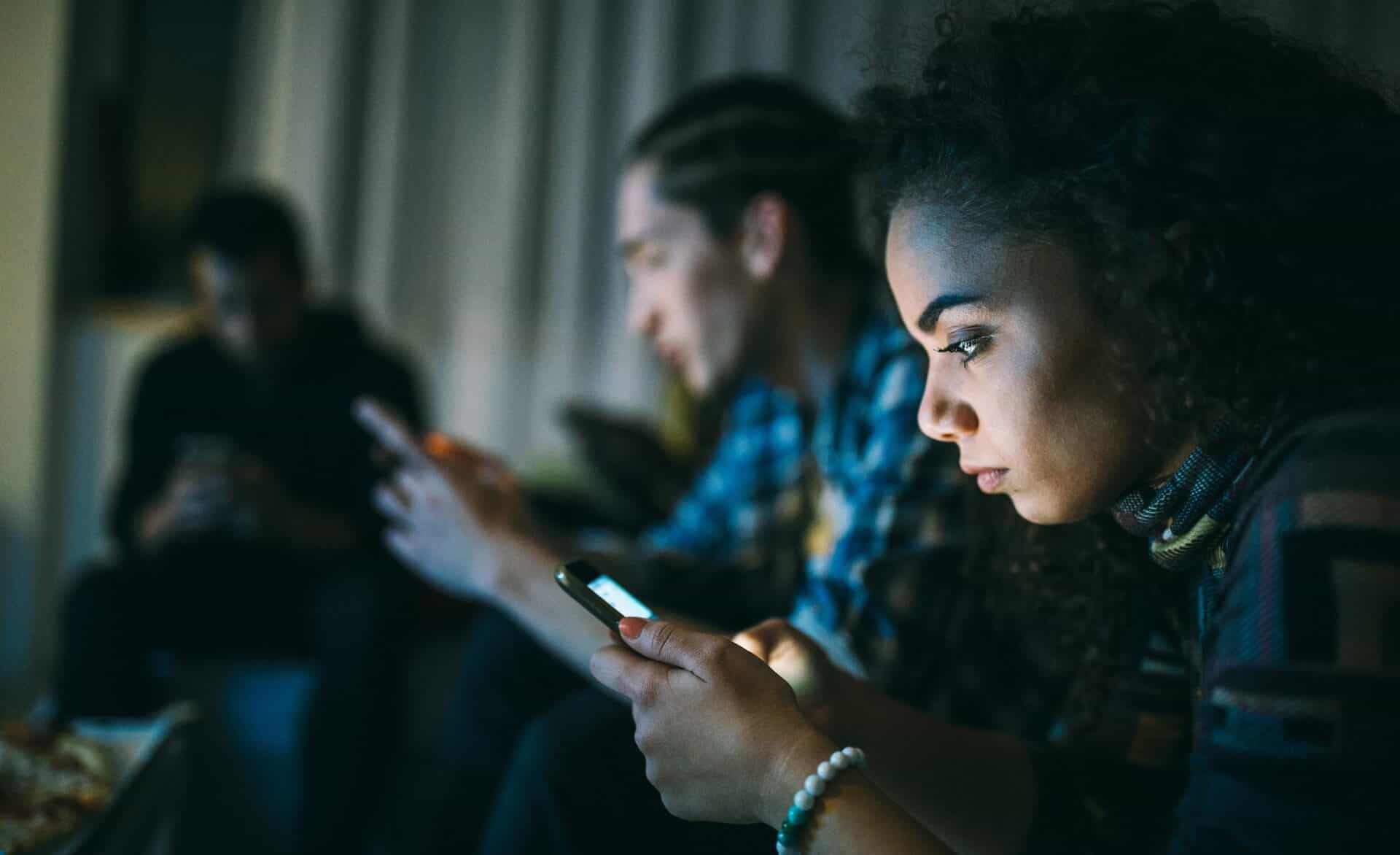
Yet despite living in an age of unprecedented connectivity, many people are becoming increasingly disconnected in the ways that matter most. Economic pressures, remote working, urban lifestyles, the decline of traditional community structures, fractured families and lasting changes in social behaviour following the pandemic have all altered how people relate to one another. While digital technologies such as smartphones and our access to social media allow us to remain constantly connected, they often replace deeper face-to-face interaction with fragmented, superficial engagement, reducing opportunities for meaningful communication, intimacy and emotional presence—even within families and close friendships.
Recognising the scale of the challenge, the WHO now identifies loneliness and social isolation as major global public health concerns. Yet while awareness is growing, meaningful action has been slow, and social fragmentation continues to deepen across many societies.
Social isolation is now one of the defining health challenges of modern life, so it’s important to understand its biological and psychological consequences, the forces driving it, and consider what individuals, communities and policymakers can do to rebuild the human connections that are essential for health, resilience and wellbeing.
Why are we becoming more isolated?
The rise in social isolation cannot be reduced to technology alone, but digital culture has clearly reshaped how connection happens. We can now communicate constantly, yet with less depth, meaning or emotional connection. Social media interaction is largely performative, brief and emotionally thin, often creating the illusion of connection without its substance. Online engagement and parasocial relationships are increasingly replacing real-world friendships and communities. This shift helps explain why 73% of people identify technology as a contributor to loneliness, alongside concerns about excessive digital use, especially among younger groups.
The physical and social design of modern life has also changed dramatically. Many cities now prioritise cars over people, while neighbourhood cohesion, communal spaces, church communities and civic participation continue to decline. Families are more fractured and geographically dispersed; fewer people live in intergenerational households, and everyday opportunities for natural social interaction have steadily reduced. Research (here and here) increasingly suggests that green spaces, walkable communities and stronger local infrastructure may help protect against loneliness by enabling more organic connection rather than forcing it.
Economic and cultural pressures have further deepened this fragmentation. Longer working hours, remote work, financial strain and rising housing costs leave many people overworked, exhausted and disconnected from support systems. Around 62% report being too busy or tired to maintain meaningful relationships, while increasingly individualistic cultural values continue to prioritise personal achievement over communal life. Delayed family formation, alienation from close family, breakdown of family units along with an increase in single-person households are reshaping social life and ties. Over time, isolation can become cyclical, with stress, grief and mental health struggles reinforcing withdrawal from connection.
The biological and psychological consequences of isolation
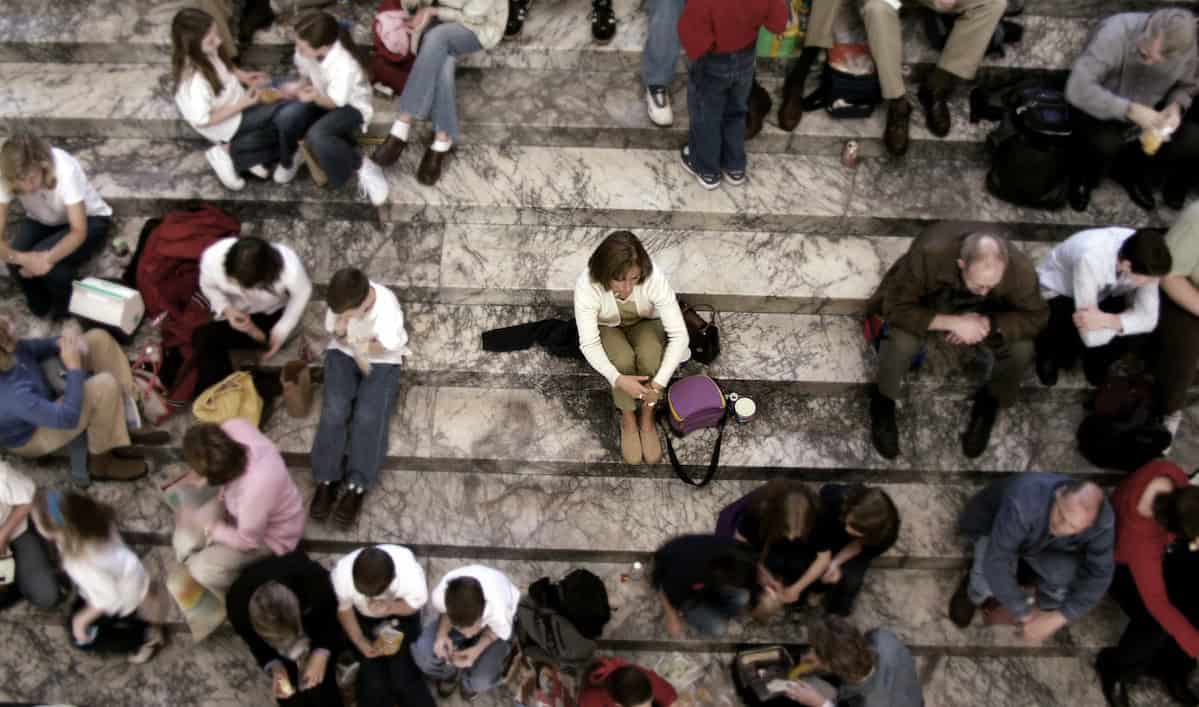
Although often used interchangeably, social isolation and loneliness are not exactly the same. Social isolation refers to the objective lack of social contact or meaningful relationships, while loneliness is the subjective feeling of being disconnected from others. A person can be surrounded by others and still feel deeply lonely, just as someone with limited social contact may not experience loneliness. Yet both states are closely linked and both carry profound consequences for health and wellbeing.
One of the clearest impacts of chronic disconnection is on mental health. Loneliness has been associated with depression, anxiety, emotional dysregulation and increased stress reactivity, with lonely individuals twice as likely to experience depression. Studies (here and here) also link prolonged isolation to suicidal thoughts and reduced psychological resilience. Young people appear particularly vulnerable. A multinational study of more than one million adolescents across 37 countries found that loneliness increased sharply between 2012 and 2018, despite young people belonging to the most digitally connected generation in history.
The effects are not only psychological but neurological. Research increasingly shows that prolonged social disconnection alters brain function. Social isolation has been linked to cognitive decline, impaired memory and a significantly increased risk of dementia. Loneliness doesn’t just affect how we feel—it may also affect how our brains age. In 2022, social isolation and loneliness were associated with a 62% higher risk of dementia, while research (here and here) points to measurable effects on brain structure and cognitive performance in older adults.
We have survived evolution through the power of coherence and connection—socially as much as physiologically and biologically. Hence, the body interprets chronic disconnection as a sustained threat. Isolation activates the stress response, increasing cortisol levels and driving chronic inflammation if the ‘threat’ remains unresolved. Over time, this contributes to immune dysregulation, cardiovascular strain and metabolic dysfunction. Research (here and here) links loneliness and social isolation to a 29% higher risk of heart disease, a 32% higher risk of stroke and increased risk of type 2 diabetes. Sleep disruption, fatigue and reduced self-care are also common.
Chronic social isolation is so powerful it can also alter the activity of hundreds of genes involved in inflammation and antiviral immunity, elevate stress hormones, disrupt sleep, impair cardiovascular function and increase the risk of premature death. This is how our brains translate social experience into biology, spawning the new field of research at the intersection of sociology and genomics—social genomics or sociogenomics. Â
Whilst the effects of loneliness and social isolation impact someone genetically, psychologically, behaviourally and biologically, strong social ties are a protective antidote. A Swedish study involving more than 17,000 people found that stronger social connections reduced the risk of death from all causes by almost 25% over six years.
We can’t escape the reality that human connection is deeply intertwined with how our brains and bodies function and survive. Because it’s this special connection between the neurological and immune systems sending signals to every cell, organ, system and tissue in the body that have seen us through evolution thus far.Â
Isolation as a public health and policy failure
It’s not surprising that the biological and psychological damage caused by isolation is now translating directly into pressure on healthcare systems and national economies. Loneliness has been linked to higher numbers of GP visits, increased emergency care use and rising chronic illness, all of which carry significant cost. In the US, social isolation among older adults is estimated to contribute an additional $6.7 billion annually in Medicare spending. In the UK, frequent loneliness costs the NHS around £850 more per person per year than non-lonely individuals. The burden extends beyond healthcare: loneliness costs UK employers around £2.5 billion annually through absenteeism and reduced productivity.
This burden is unevenly distributed. Isolation follows a clear pattern across the lifespan, disproportionately affecting vulnerable groups. Nearly one-third of young people aged 16–29 report feeling lonely often or always, despite growing up in a digitally connected world. Older adults frequently experience isolation linked to bereavement, chronic illness, distance from family members and reduced mobility, while migrants, low-income groups, people living alone and those with disabilities or long-term health conditions remain at significantly higher risk. Some studies suggest these groups may be up to three times more likely to experience chronic loneliness.
Yet healthcare systems continue to respond largely by treating symptoms rather than the social conditions producing them. Depression, anxiety, insomnia and cardiovascular disease are often medicalised while the root causes of disconnection remain insufficiently recognised or addressed.
A society cannot medicate its way out of a crisis rooted in disconnection. Recognising this, the WHO formally framed social connection as a key determinant of health in 2023, reinforcing its message in 2025, accelerating interest in social prescribing, which has now been introduced into 31 countries worldwide, and community-centred healthcare models.
Rebuilding human connection in an age of fragmentation
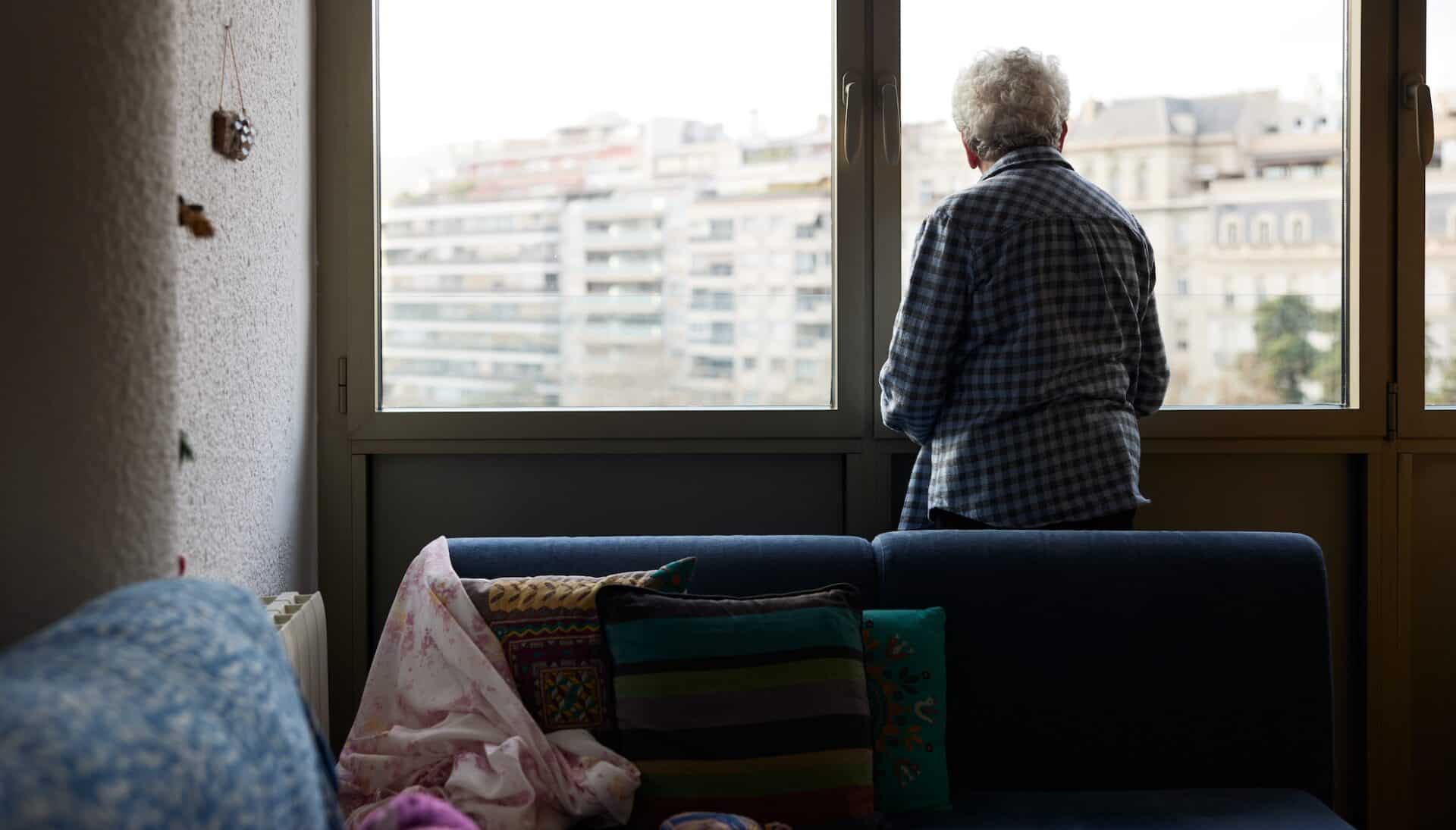
Social isolation is now a defining public health challenge shaping how people live, age and relate to one another. Behind the statistics are real lives—older adults going days without meaningful conversation, young people feeling alone despite constant digital contact and families physically together but emotionally distant. The evidence shows this is not only emotional but biological, increasing disease risk, weakening resilience and straining healthcare systems and economies.
Yet this trajectory is not inevitable. Rebuilding connection requires deliberate action at personal, community and policy level, with social health treated as essential rather than optional.
Below are practical ways to restore meaningful human connection in an increasingly fragmented world:
- Stay in regular contact with people who matter: Schedule daily or weekly check-ins through calls, messages or in-person time to maintain consistent connection.
- Prioritise face-to-face interaction: Shift parts of your routine into social spaces like cafés, parks or shared work environments to create natural interactions where you can exchange energies with others.
- Build connection through shared activities: Join clubs, classes, physical activity or community initiatives where in-person interaction happens around common interests.
- Create tech-free time each day: Step away from screens to improve presence, attention and the depth of real-world relationships.
- Ground in nature on a daily basis: Move naturally in nature’s playground
- Ask about Social Prescribing: Started in the UK, social prescribing aims to connect people to activities, groups and other support to help improve health and wellbeing through connection with others.
- Adopt small, consistent social habits: Use simple structures like regular meetups or the 5-3-1 approach to make connection routine rather than occasional.
- 5: Spend time with five different people a week.
- 3: Nurture three close relationships.
- 1: Aim for one hour of quality social interaction a day.
- Protect your mental and physical health: Exercise, sleep well, eat properly and engage in calming activities to reduce stress linked to isolation.
- Follow a daily routine with purpose: For some, structure can create stability and increase opportunities for social interaction.
- Practise openness and active listening: Show genuine interest in others and share honestly to build trust and deeper relationships.
- Engage with your local community: Volunteer, attend events or simply introduce yourself to neighbours to build local social ties.
- Use support systems when needed: Access community groups, social prescribing, or services that help reconnect people who are at risk of feeling isolated and lonely.
One Response
Loneliness is one of the worst emotions in one’s life..It causes them to become depressed, angry, they isolate themselves. At the request of family members and friends asking them to go see their doctor. They go..end up on medication like Xanax or “ other mood meds “. Those end up being adjusted to higher and higher doses..which ends up being a cycle of more meds and or SSRI’S ..SNRI’S … these are so addictive and damaging to a brain already struggling. They end up being addicted to alcohol and these “ mood enhancing drugs “. That in turn end making the brain more dependent and on and on the endless cycle of making this individuals life so much worse and unable to cope without the drugs, other drugs and alcohol.
What is needed…Is real mental health help. Not the one size fits all to benefit each and every person suffering from the loneliness that turns into major depression. Then the individuals life, world begins to collapse and the final stage is death because they feel so helpless and alone.